Attic Insulation Upgrades in Holly Springs & the Triangle
Your attic is the biggest source of heat loss in most homes. We assess with thermal imaging, seal air leaks, then install insulation to the right R-value and verify the results.
Why Attic Insulation Matters in North Carolina
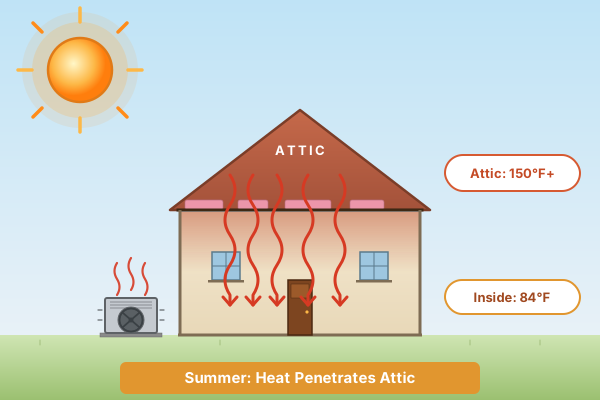
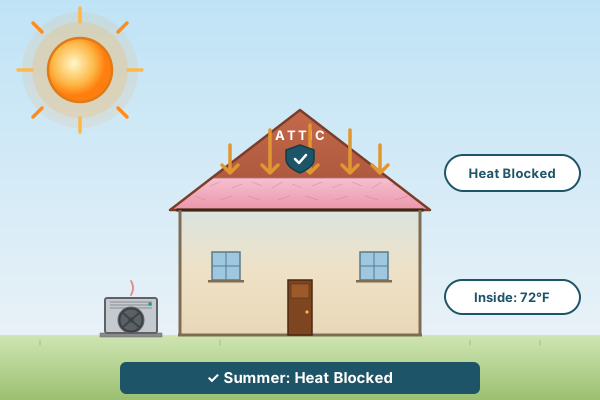
In a typical home, 25–40% of heating and cooling energy escapes through the attic. Heat rises in winter and radiates down in summer, and insulation is the only thing between your conditioned living space and an attic that can reach 140°F on a July afternoon in the Piedmont.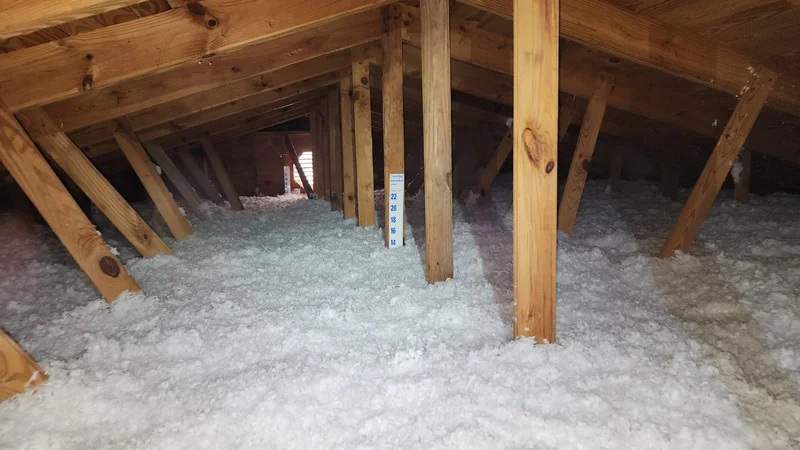
North Carolina energy code requires a minimum of R-38 in the attic. But many homes across Holly Springs, Cary, and Raleigh — particularly those built in the 1990s and early 2000s — were insulated to R-19 or R-30, which was code at the time. That gap between what's installed and what's needed shows up in energy bills, comfort complaints, and HVAC systems that run harder than they should.
The Piedmont climate makes this worse in both directions. Summers push attic temperatures high enough to degrade old insulation, and humidity from below can migrate upward through ceiling penetrations. Proper attic insulation paired with air sealing addresses both problems.
Signs Your Attic Insulation Needs Upgrading
If any of these sound familiar, your attic insulation may be underperforming:
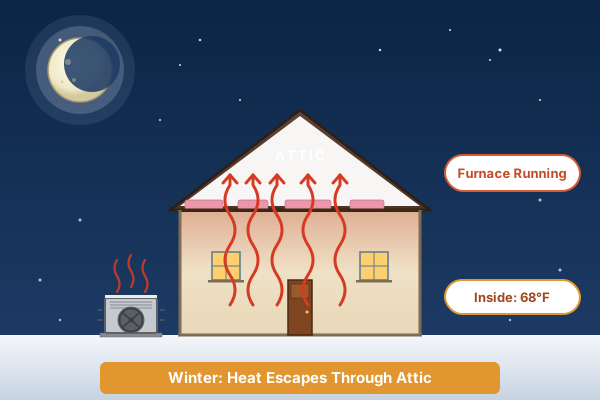
- High energy bills — especially in summer when the AC runs constantly to overcome attic heat gain
- Uneven temperatures between floors — upstairs rooms that are noticeably hotter in summer or colder in winter
- Visible joists in the attic — if you can see the tops of ceiling joists, insulation is below R-19 and well under code
- Old, compressed, or discolored insulation — insulation loses R-value when it's compacted, wet, or contaminated by pests
- HVAC system running nonstop — the system is working to compensate for heat gain your insulation should be blocking
- Drafts around recessed lights or ceiling fixtures — a sign of unsealed air leaks that bypass insulation entirely
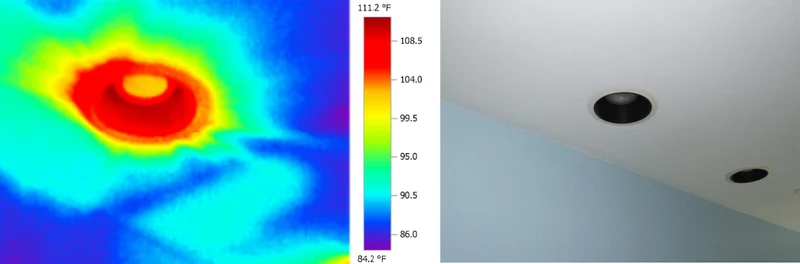
A home energy audit with thermal imaging can show exactly where insulation is thin or missing, and where air is leaking through the ceiling plane.
Types of Attic Insulation We Install
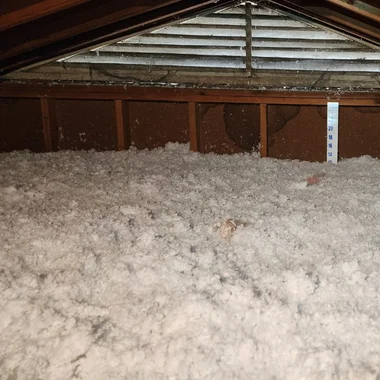
Blown-In Fiberglass
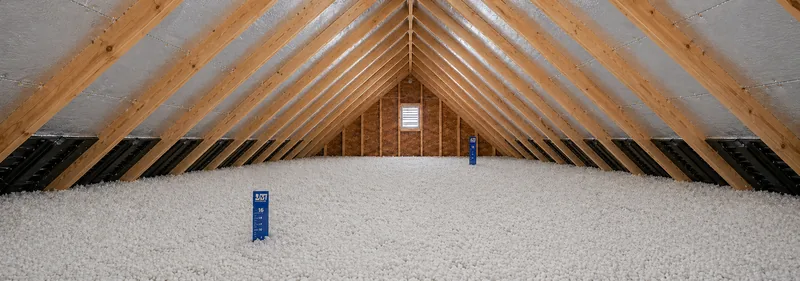
Our primary product for attic upgrades. Blown-in fiberglass conforms tightly around wiring, plumbing, and obstructions — filling gaps that batt insulation misses. It doesn't settle or absorb moisture, making it a reliable long-term performer in NC's humid climate. We offer formaldehyde-free, GREENGUARD certified fiberglass insulation.
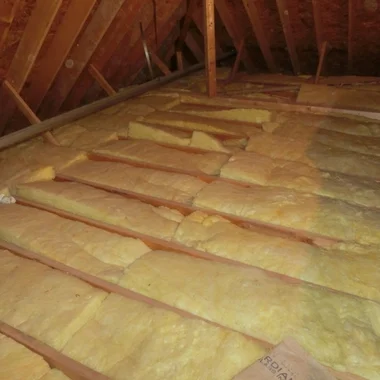
Batt Insulation
Pre-cut fiberglass rolls that fit between standard-spaced joists. Batts work well in open, accessible areas but leave gaps more easily — especially around plumbing stacks, HVAC ductwork, and irregular framing. We typically recommend blown-in over batts for retrofit upgrades because of the better coverage. Formaldehyde-free, GREENGUARD certified batt products are also available.
Air Sealing — The Step Most Contractors Skip
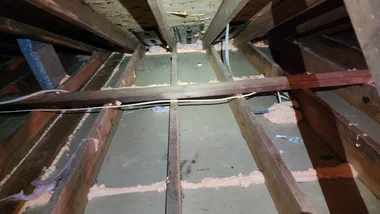
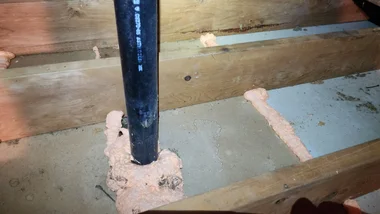
Before any insulation goes in, we seal the gaps and penetrations in the ceiling plane — around wiring holes, plumbing chases, recessed light cans, duct boots, and the tops of interior walls. These air leaks let conditioned air escape directly into the attic, bypassing the insulation entirely. Insulation slows heat transfer, but it doesn't stop airflow. Air sealing does.
This is what separates our approach from most insulation contractors. A typical insulation crew blows material over unsealed gaps — which helps, but leaves a significant source of energy waste unaddressed. We use a blower door and thermal imaging to locate and seal those leaks before insulating.
What R-Value Does Your Attic Need?
R-value measures insulation's resistance to heat flow. Higher is better.
| Standard | R-Value | Approx. Depth (Blown-In) |
|---|---|---|
| NC Energy Code Minimum | R-38 | 10–12 inches |
| DOE Recommended (Climate Zone 4) | R-49 | 13–16 inches |
| Many Existing Wake County Homes | R-19 or less | 5–6 inches |
You can check your current level by measuring the depth of insulation from the top of the ceiling joist. If it's at or below the tops of the joists (typically 5–6 inches), you're well under R-38. Adding blown-in insulation on top of existing material is straightforward in most cases — the R-values stack.
Above R-49, the energy savings from additional insulation diminish. For most Triangle homes, R-38 to R-49 is the practical sweet spot — enough to meaningfully reduce energy use without over-investing.
How Much Does Attic Insulation Cost?
In the Triangle NC area, expect these ranges for a 1,200 sq ft attic:
| Service | Typical Range |
|---|---|
| Blown-in insulation (per sq ft, installed) | $1.50–$3.50 |
| Blown-in installation — 1,200 sq ft attic | $2,500–$4,500 |
| Air sealing (add-on) | $500–$1,500 |
| Insulation removal (per sq ft) | $1–$2 |
| Insulation removal — 1,200 sq ft attic | $1,200–$2,400 |
Price depends on attic square footage, accessibility, current insulation condition, and the target R-value. We provide a specific quote after assessing your attic — no surprises.
Our Attic Insulation Process
We don't just blow insulation and leave. Our approach is diagnostic — we find out what's actually going on before we add material.
Thermal Imaging Assessment
We scan the attic and ceiling with an infrared camera to map exactly where heat is escaping. This shows thin spots, missing insulation, and air leaks that aren't visible to the eye.
Air Sealing
Before insulation goes in, we seal every penetration in the ceiling plane — wiring holes, plumbing chases, recessed light cans, duct boots, and top plates. This is the step most contractors skip, and it's what makes the biggest difference in actual energy performance.
Insulation Installation
We install blown-in fiberglass to the target R-value — typically R-38 to R-49. The material is distributed evenly across the attic floor with uniform depth, covering all areas including corners, eaves, and around obstructions.
Post-Install Verification
After installation, we re-scan with the thermal camera to confirm even coverage and verify there are no remaining gaps or thermal bridges. You get documentation showing the before and after — not just a receipt.
Attic Insulation and Energy Savings
Upgrading from R-19 to R-38 or higher typically reduces heating and cooling costs by 10–20%, depending on the home's overall envelope condition. For a Wake County home spending $200/month on energy, that's $240–$480 per year in savings.
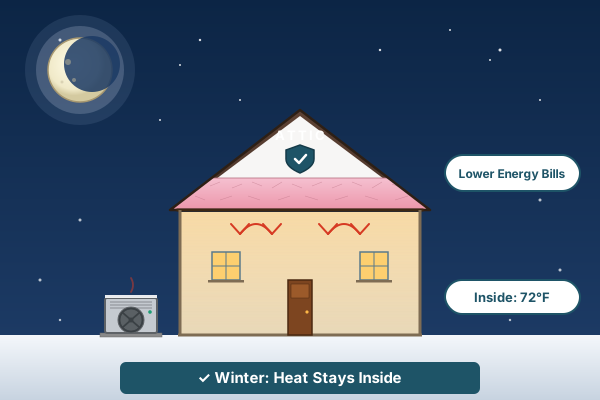
Insulation works best as part of a complete thermal envelope. If the attic is well-insulated but the crawl space insulation is inadequate and the ducts are losing air, you'll still have efficiency problems. That's why we recommend a home energy audit to get the full picture — and energy monitoring to track savings after the work is done.
Most attic insulation upgrades pay for themselves within 2–5 years, even before the tax credit.
Attic Insulation Across the Triangle
We install blown-in attic insulation and air sealing throughout Wake County and the surrounding Triangle. Based in Holly Springs — most projects scheduled within 1–2 weeks.
Frequently Asked Questions
How much does attic insulation cost in the Raleigh area?
For a typical 1,200-square-foot attic, blown-in insulation costs $2,500–$4,500 installed. Air sealing adds $500–$1,500 depending on the number of penetrations. Price depends on attic size, accessibility, and the target R-value. Removal of existing insulation, stored items, or debris in the attic will increase the cost.
What R-value do I need for my attic in North Carolina?
NC energy code requires a minimum of R-38, which equals roughly 10–14 inches of blown-in material. The Department of Energy recommends R-49 for Climate Zone 4, which includes the Triangle. Many homes in Wake County were built to R-19 or less — well below current standards. We assess your current R-value and recommend the most cost-effective target.
Is blown-in or batt insulation better for attics?
Blown-in is generally better for attic upgrades. It fills gaps, conforms around wiring and plumbing, and creates more uniform coverage than batts. Batts can leave gaps around obstructions and irregular framing. We use blown-in fiberglass for most retrofit projects because of the better coverage.
Can I add new insulation on top of existing insulation?
Yes, in most cases. If existing insulation is dry, undamaged, and free of mold or pest contamination, new material can be blown directly on top — the R-values add together. Air sealing should be done before adding new insulation, since gaps in the ceiling plane will undermine even deep insulation. If existing material is wet, compressed, or contaminated, it should be removed first.
How long does attic insulation last?
Blown-in fiberglass can last 30+ years if it stays dry and undisturbed. The main threats to insulation lifespan are moisture damage, pest activity, and compression from stored items. A check every 5–10 years catches problems early.
In our experience, insulation that is 20 years or older is typically compressed, dusty, and well past the point of performing effectively — even if it looks intact. We generally recommend replacing it rather than adding on top. When existing blown-in insulation needs to come out, we vacuum remove it, which keeps the attic clean and ensures air sealing work can be done properly before new material goes in.
Find Out What Your Attic Needs
We'll assess your attic insulation, identify air leaks, and give you a clear plan with pricing — no pressure.
Schedule AssessmentOr call (919) 567-5329