Table of Contents
How Much Does Attic Insulation Cost in NC?
In the Triangle, topping up attic insulation to R-49 typically costs an estimated $3,000–$4,500, depending on attic square footage, current conditions, and access. If existing insulation is contaminated or damaged and needs to come out first, the full job adds significant cost, with scope and attic conditions determining the final number.
Most Wake County homes built before 2005 are running well below the R-49 target. The job itself is not disruptive (usually a half-day to full day), but knowing what drives the price helps you evaluate whether a quote is reasonable before you sign anything. Attic insulation is also one of the few improvements that directly addresses hot second floors, a common complaint across the Triangle in May and June before full summer heat sets in.
What Most Triangle Attics Actually Have
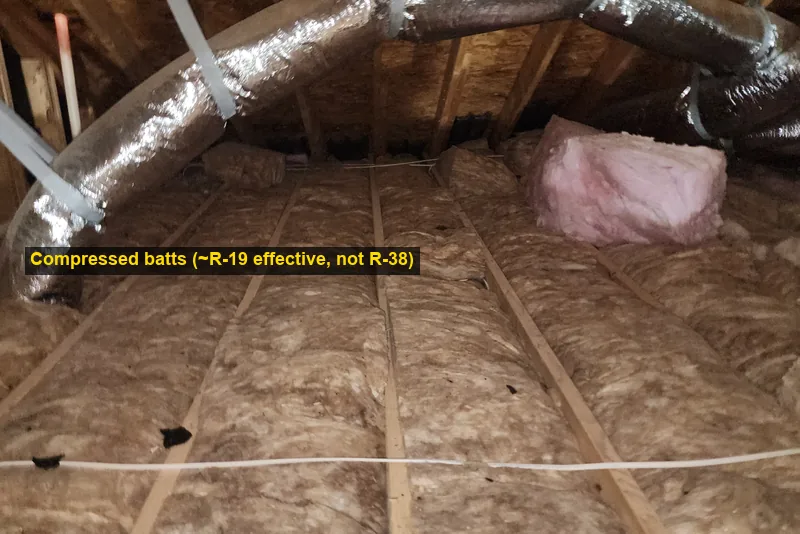
Homes built before the mid-1990s commonly have R-19 effective or less in the attic floor. Some 1980s homes have even less: a few inches of original fiberglass that has settled and compressed significantly over the decades. North Carolina’s building code required R-30 for attic insulation for over 30 years before the current minimum of R-38 took effect, so homes built from the mid-1990s through roughly 2012 are typically in the R-30 range.
Even newer homes built to the current R-38 minimum are worth assessing. Batts compressed by foot traffic, storage, or HVAC work lose meaningful R-value. Poor original installs leave gaps around framing and penetrations. And most homes from any era have little or no air sealing at the attic floor, which limits how much the insulation above it can actually do.
The U.S. Department of Energy recommends R-49 as the cost-optimal target for existing homes in Climate Zone 4A, which covers all of Wake County. Almost no Triangle homes reach that level without an intentional upgrade. Getting there from R-38 means adding roughly 4–5 inches of blown-in fiberglass; from R-30, roughly 7–8 inches; from R-19, roughly 10–12 inches.
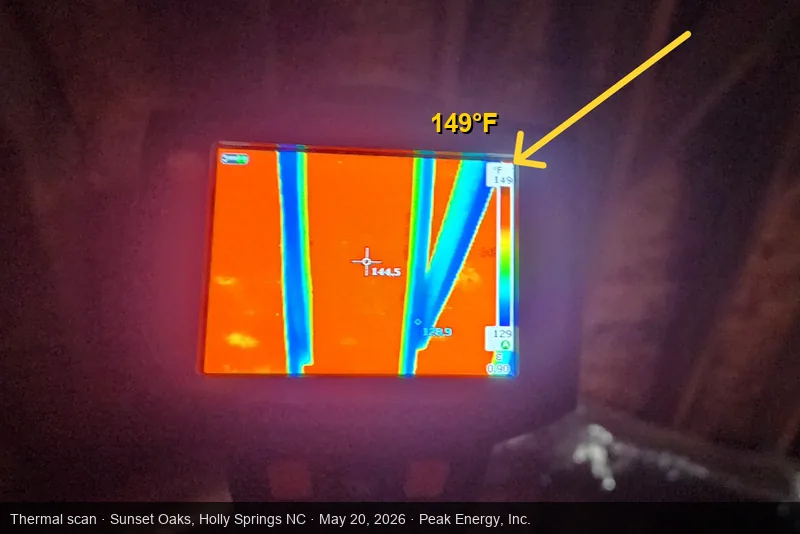
The Two Jobs: Top-Up vs. Full Removal
The price difference between these two scenarios is significant. Knowing which one your attic needs before you get quotes is worth the effort.
Top-up (most common): Existing insulation is in reasonable condition, with no signs of moisture damage, rodent contamination, or mold, and the contractor blows new material directly over it. This is the standard version of the job. Estimated cost: $3,000–$4,500.
Remove and reinstall: Existing insulation is wet, moldy, contaminated, or so compressed and degraded it has lost meaningful R-value. Everything comes out, the attic floor is inspected and treated if needed, and new insulation goes in. More labor-intensive and more material. Full removal adds significant cost. Scope varies with attic conditions.
A thorough contractor will not recommend removal unless there is a clear reason: visible moisture staining, rodent sign, or insulation that is clearly compromised. If a quote comes in recommending full tearout without documentation of why, ask for the specific finding that triggered that recommendation.
What Drives the Price
Attic square footage is the primary variable. The more floor area to cover, the more material and labor time.
Starting R-value determines how much new insulation is required. A home at R-11 needs significantly more material to reach R-49 than one at R-30. Contractors should measure existing depth before quoting, not guess from the year the house was built.
Access and clearance matter more than most homeowners expect. An attic with a full pull-down stair and adequate working height takes less time than one with a small hatch, a low roof pitch, or significant HVAC equipment in the way. Tight access adds labor cost, particularly for equipment setup.
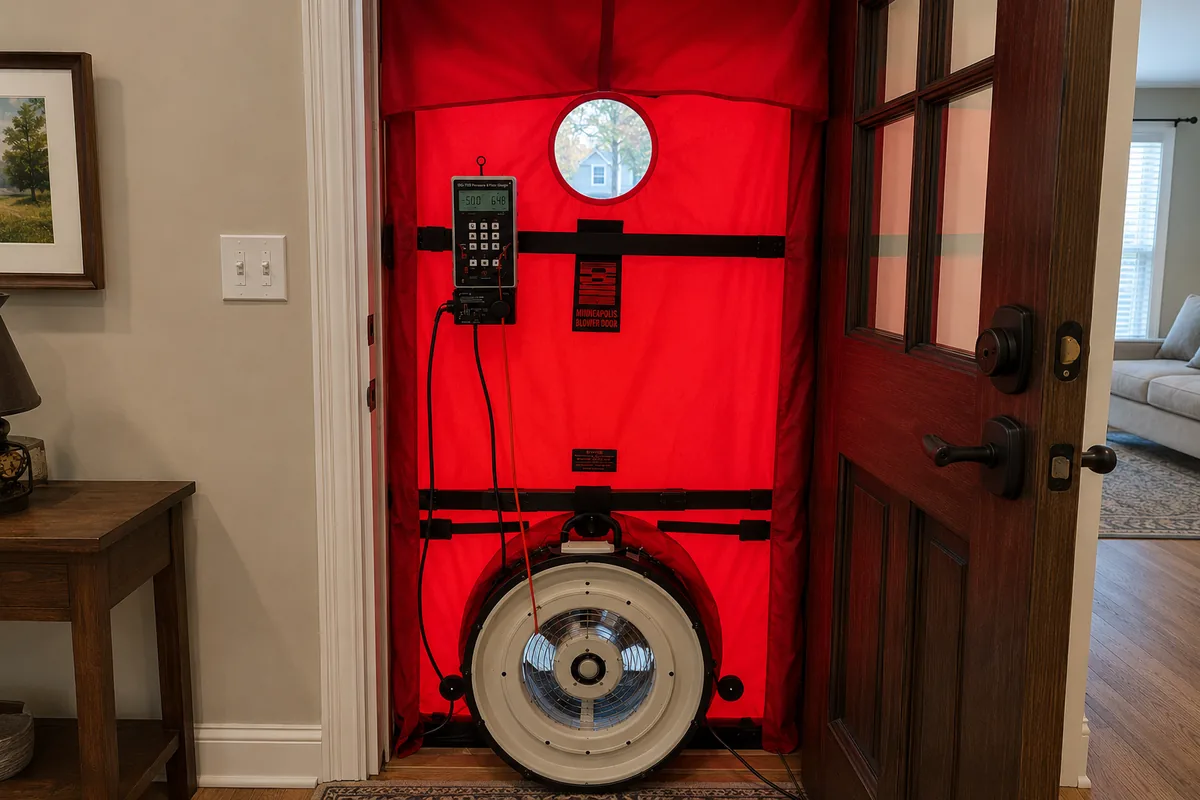
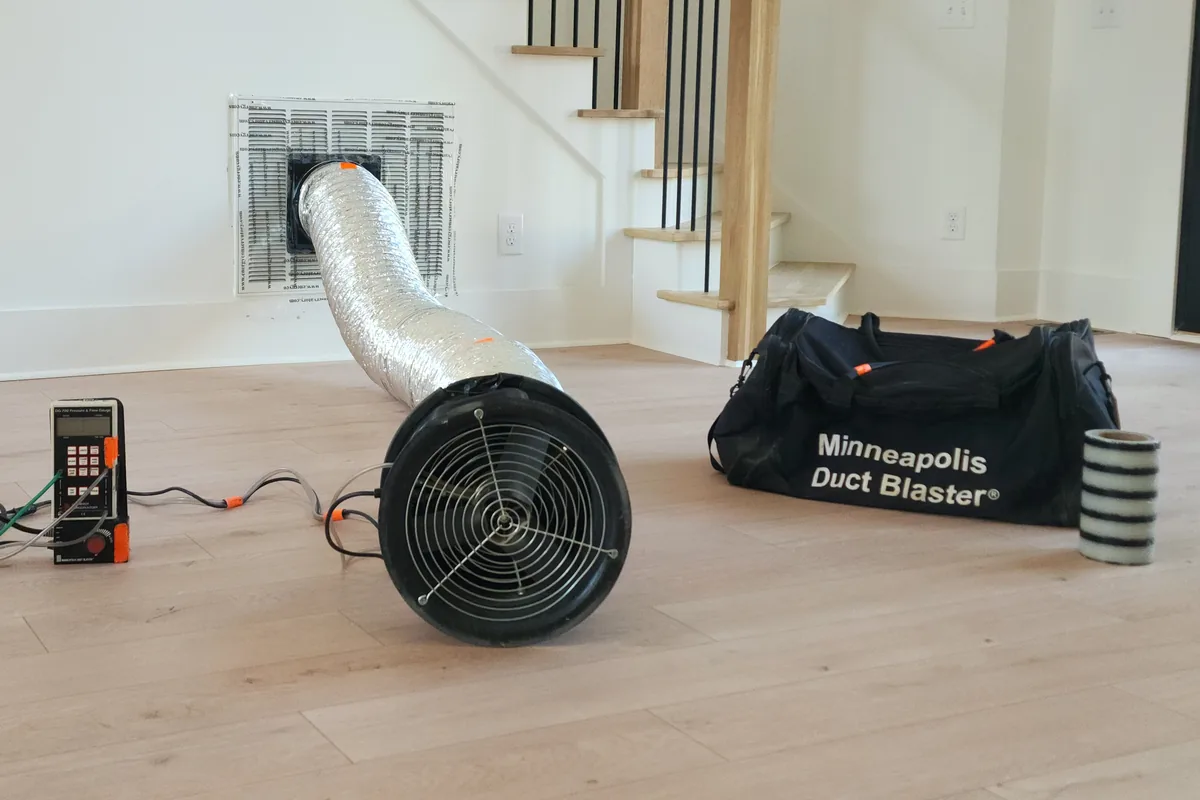
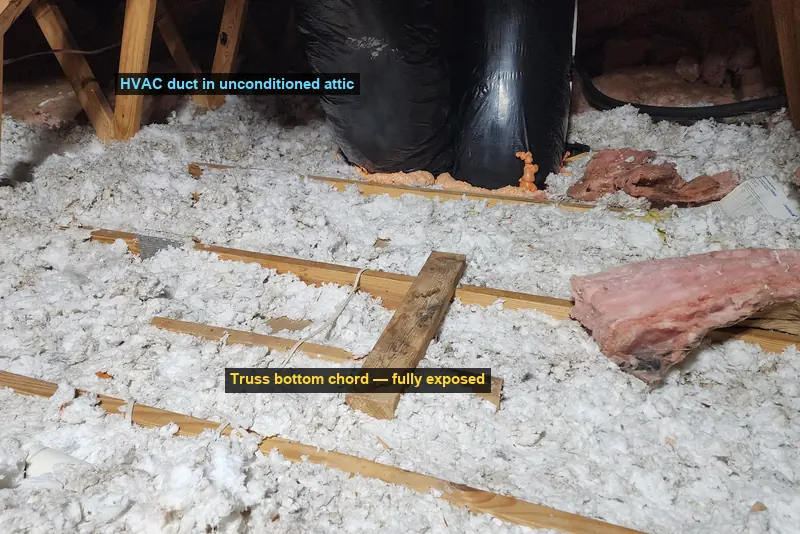
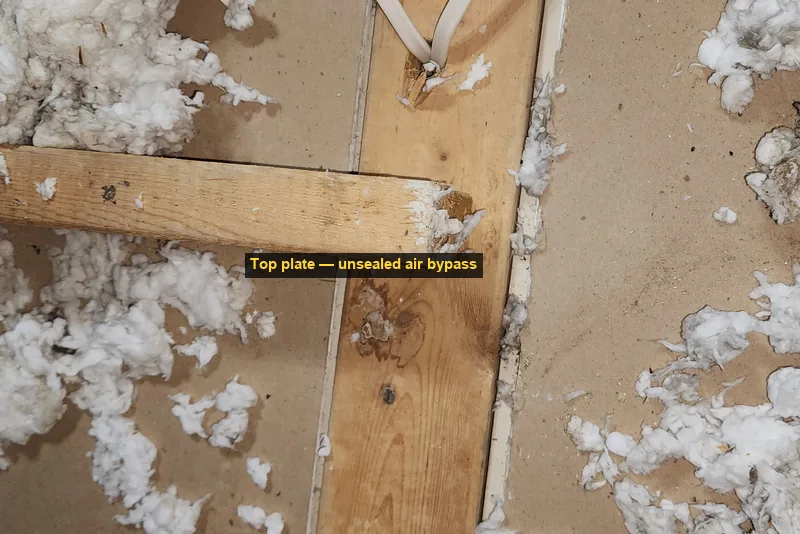
Air sealing is the step that separates a thorough job from a shortcut. Attic bypasses (gaps around recessed lights, plumbing chases, partition wall tops, and HVAC penetrations) allow conditioned air to move freely between the living space and the attic even with thick insulation sitting on top. Sealing those bypasses before adding insulation is the higher-value half of the work. Not every contractor includes it. Peak Energy, Inc. in Holly Springs diagnoses and seals these bypasses as part of the attic insulation process, because adding insulation over an unsealed attic floor leaves a significant portion of the benefit on the table. A home energy audit with thermal imaging is the most accurate way to find every bypass before work begins.
Blown-In vs. Fiberglass Batts
For existing homes in the Triangle, blown-in fiberglass is the right choice for attic top-ups.
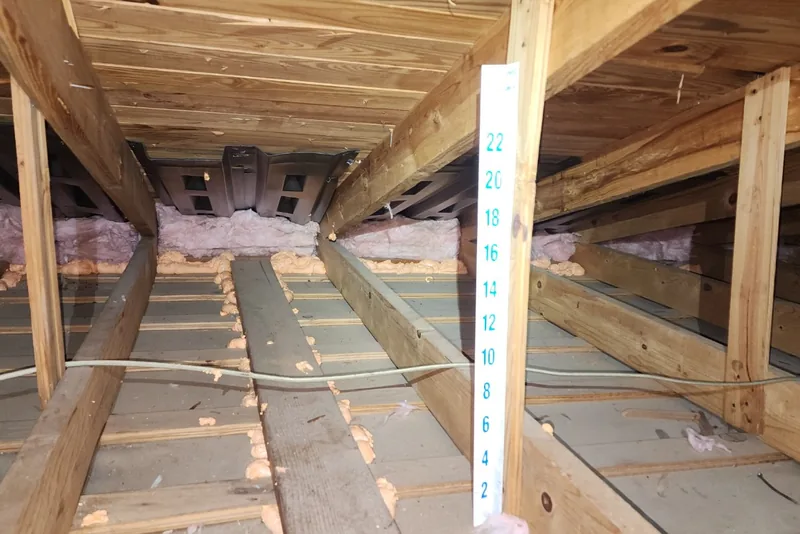
Attic floors in older homes have irregular joist bays, obstructions from HVAC equipment and plumbing, and wiring running in every direction. Blown-in material fills all of it. Batts have to be cut and fitted, and any gap, compression, or void around an obstruction becomes a permanent weak spot in the thermal layer.
Peak Energy, Inc. installs Greenguard Gold certified blown-in fiberglass, formaldehyde free and independently tested for low chemical emissions. It performs at approximately R-2.7 per inch in Triangle attics. A properly installed top-up to R-49 runs roughly 18 inches of total depth over the ceiling joists.
What the Job Actually Looks Like
An attic insulation top-up is not a disruptive project. Most jobs run four to eight hours from setup to cleanup. The crew needs attic access, either a pull-down stair or a hatch, and will run a large-diameter hose from the blowing machine outside up into the attic space.
A thorough job starts with air sealing before any material goes in: penetrations around recessed lights, plumbing chases, the tops of partition walls, and HVAC equipment. These bypasses allow conditioned air to move freely between the living space and the attic, and they undercut even thick insulation if left open. Skipping air sealing is the most common shortcut in attic work.
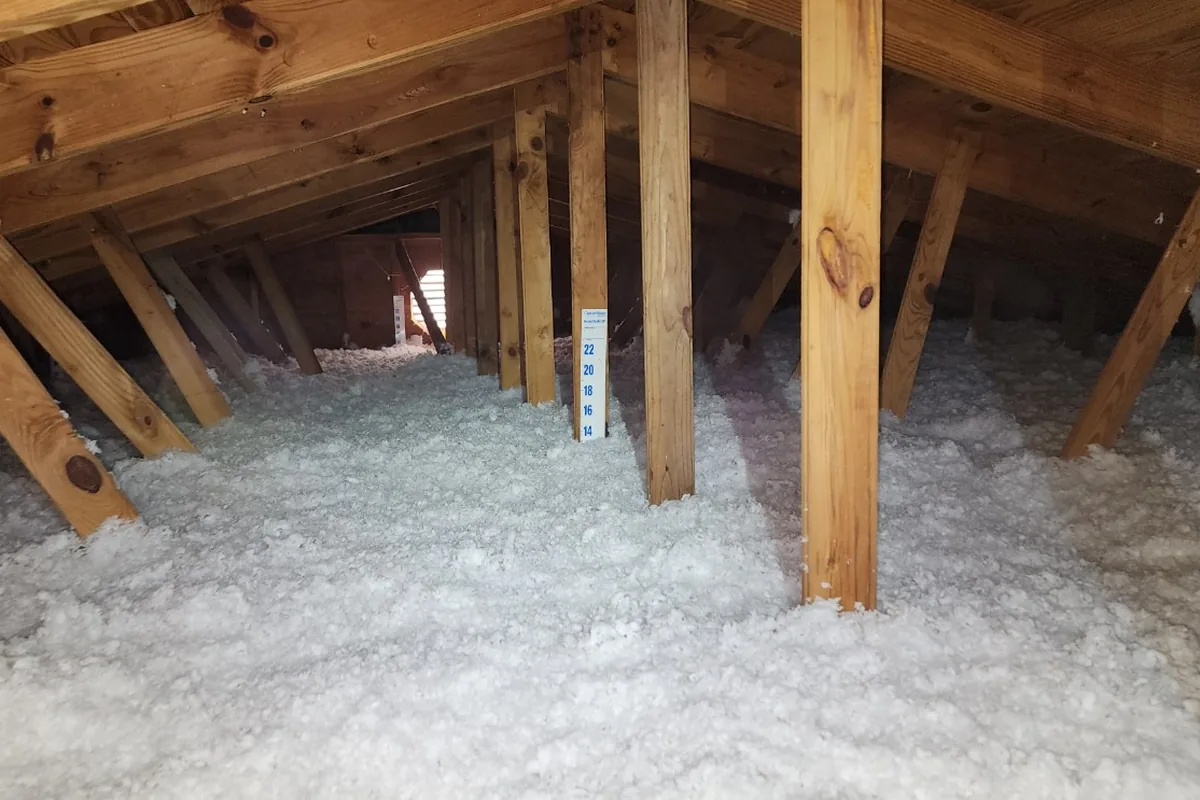
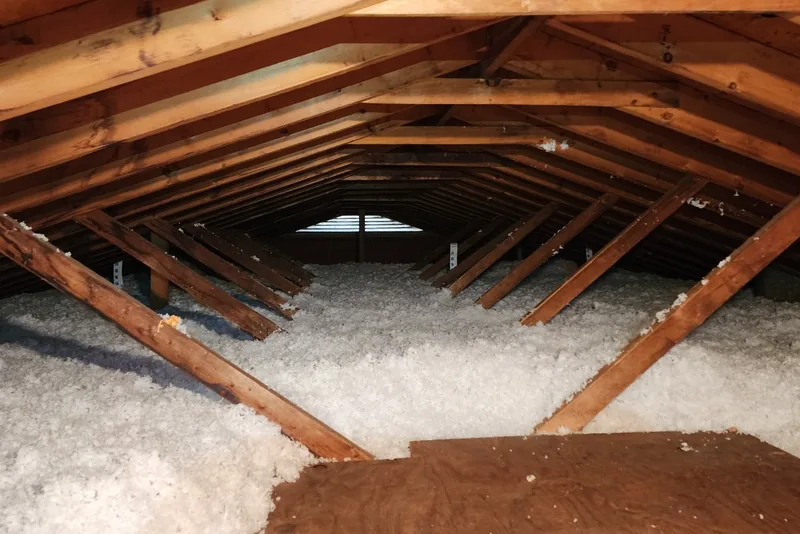
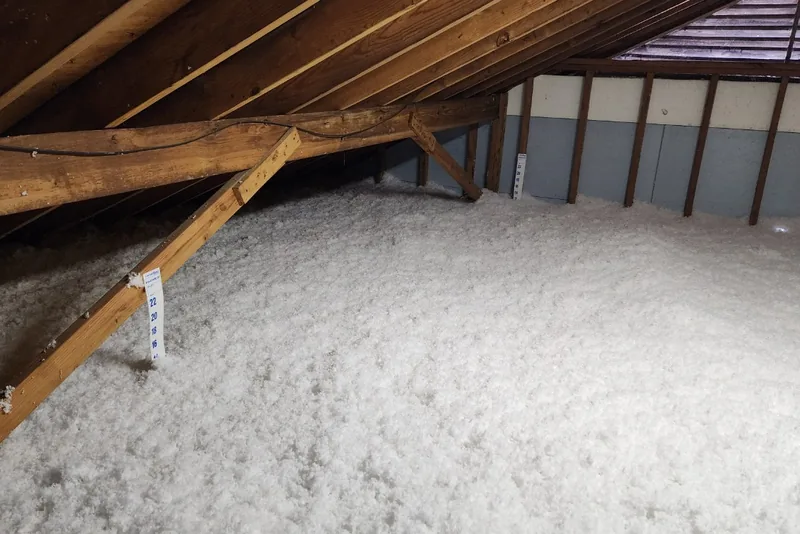
After installation, the contractor should leave depth gauge rods visible in the attic confirming installed depth, along with documentation of the R-value achieved.
Signs Your Attic Needs Attention Now
These are the signals most homeowners notice before they call:
- Upper-floor rooms are harder to keep comfortable than the rest of the house, especially May through August
- Cooling bills are noticeably higher than similar-sized homes in the neighborhood
- The attic is accessible and visible insulation is thin, compressed, or uneven
- The house was built before 2005 and there is no record of insulation work since then
- A recent home energy audit identified attic bypasses or insufficient R-value as a priority
If two or more of these apply, it is worth getting an assessment before committing to a quote. Knowing what your attic actually has, measured depth rather than a guess from the build year, puts you in a better position to evaluate what contractors propose.
What We Find in Triangle Attics
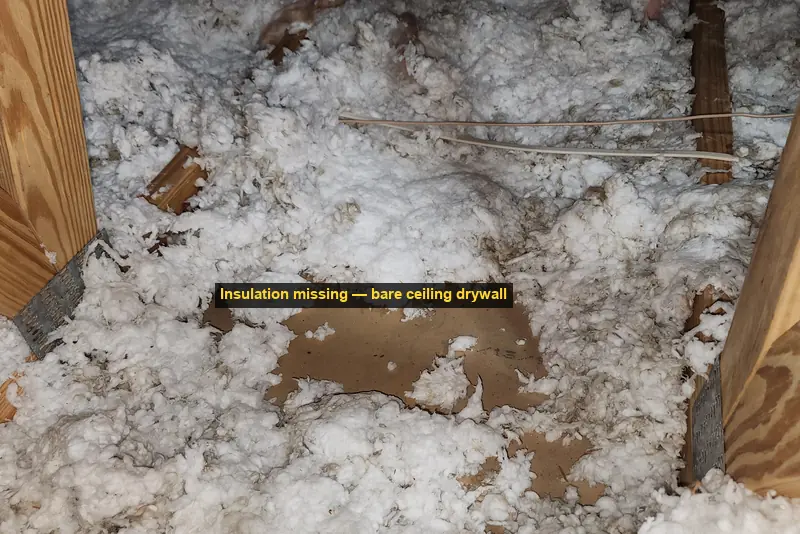
Recent Wake County assessments show the range of conditions. Both of these jobs are heading toward a full makeover: remove contaminated or inadequate insulation, air seal all bypasses, install baffles at the eaves, then blow in fiberglass to R-49.
FAQ
How much does attic insulation cost in NC?
Most Triangle homeowners pay an estimated $3,000–$4,500 to top up attic insulation to R-49. If existing insulation is damaged or contaminated and needs full removal first, the cost increases significantly based on attic size and conditions. The main variables are attic square footage, current R-value, access conditions, and whether air sealing is included in the scope.
What R-value do I need for attic insulation in North Carolina?
The Triangle sits in IECC Climate Zone 4A. The U.S. Department of Energy recommends R-49 as the cost-optimal target for existing homes in this zone, the benchmark most Triangle energy auditors use. Many homes built before 2000 have R-19 effective or less. Getting from R-19 to R-49 requires adding roughly 10–12 inches of blown-in fiberglass over existing insulation.
Blown-in or batts: which is right for my attic?
For existing homes, blown-in wins in almost every case. Batts have to be cut and fitted around every obstruction, and any compression or gap is a permanent weak spot. Blown-in fiberglass fills irregular joist bays completely and can be installed directly over existing insulation on a top-up job, which keeps the price down.
Will attic insulation lower my energy bills?
A top-up from R-19 to R-49 typically reduces heating and cooling costs by an estimated 10–20%. Older homes with minimal existing insulation tend to see the larger end of that range. The biggest summer benefit is often comfort rather than a dramatic bill reduction: upper floors stay cooler, the AC runs fewer cycles, and the house recovers faster after the hottest part of the afternoon.
Not sure what your attic actually has?
Peak Energy, Inc. provides assessments across Wake County and the Triangle. We measure existing R-value, check for air sealing bypasses, and tell you exactly what the job requires, so you can evaluate quotes with the actual numbers in hand.
Serving Holly Springs, Fuquay-Varina, Apex, Cary, Raleigh, Garner, and the broader Triangle region.